Existing efforts to fight human trafficking are not sufficient, and brutal scam centers are the newest expression of an old evil. Every year, traffickers commoditize 27.6 million people in sex trafficking and forced labor, while governments identify only a fraction of one percent of the victims.
One of the fastest-growing and most lucrative iterations of human trafficking is within scam centers. The traffickers trick job applicants into traveling for fictitious employment and then trap them in compounds where they force them to fleece the innocent of their hard-earned money. This results in a flood of baited texts, calls, emails, chat rooms, and internet ads that clog unsuspecting inboxes throughout the West. The traffickers also require victims to engage in commercial sex and use sextortion to maximize their illegal profits. Physical abuse, sexual violence, and torture are the coercive means of choice, as the traffickers operate scam centers with impunity.
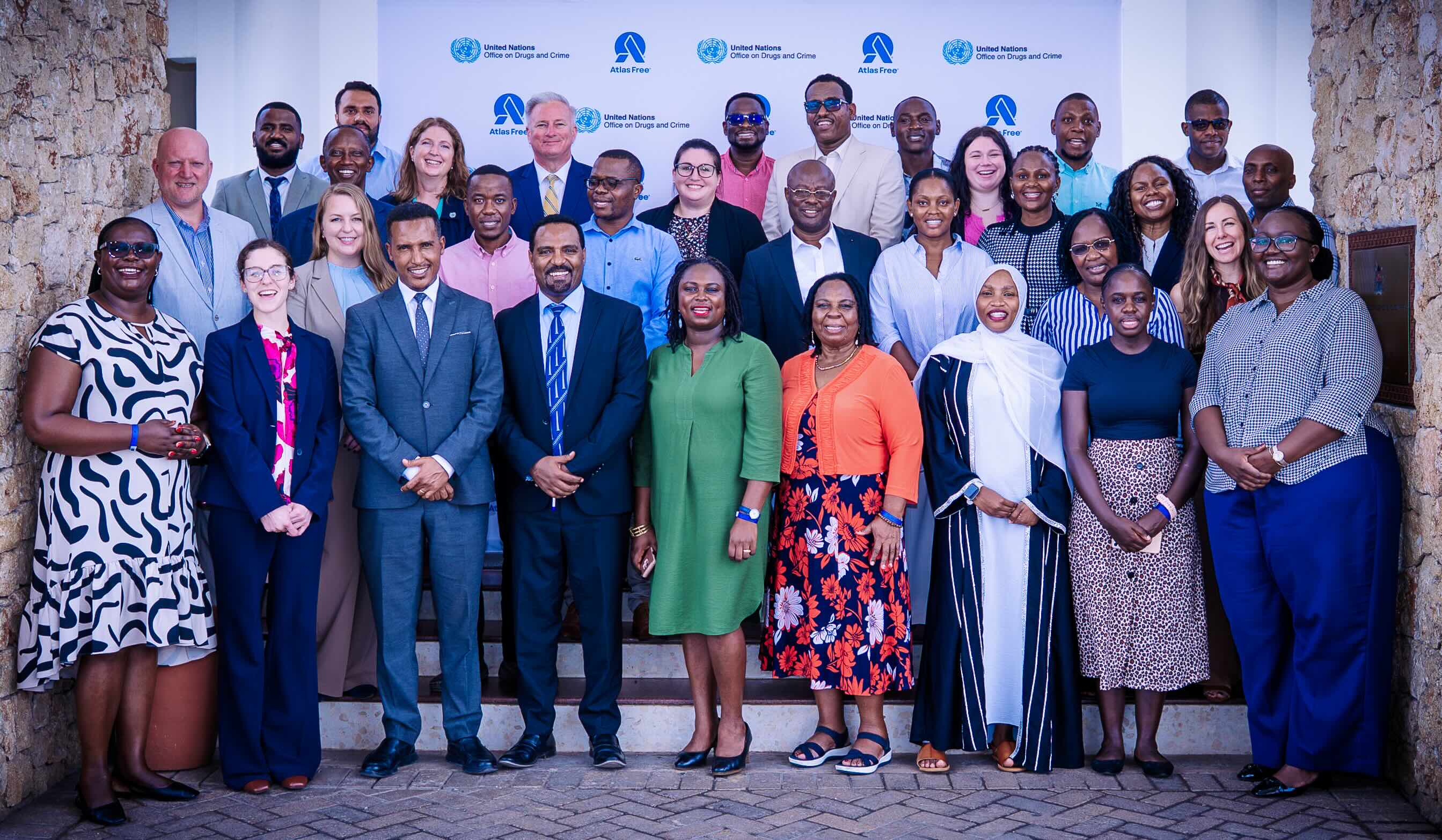
More must be done. That was the consensus of government and civil society leaders, convened by the United Nations Office on Drugs and Crime (UNODC) and Atlas Free last week in Kenya. They gathered under the historic shadow of Fort Jesus, the 15th-century castle that served as a prison for the Arab Slave Trade. Just like human trafficking victims in hotels and homes, brothels and bars, factories and fields, scam center victims have inherent value and should be free. In February 2025, a raid of a center on the Cambodia-Thai border released over 7,000 human trafficking victims from one scam compound. The scope of inhumanity is as overwhelming now as it was hundreds of years ago.

This unique gathering paired government officials from seven East African nations with survivors and service providers to build new channels of victim relief. Leaders working directly with scam center victims explained the on-the-ground reality, and African officials discussed the common challenges of supporting survivors. All agreed that both perpetrator accountability and survivor care are essential, while the group brainstormed possible prevention strategies. These included:
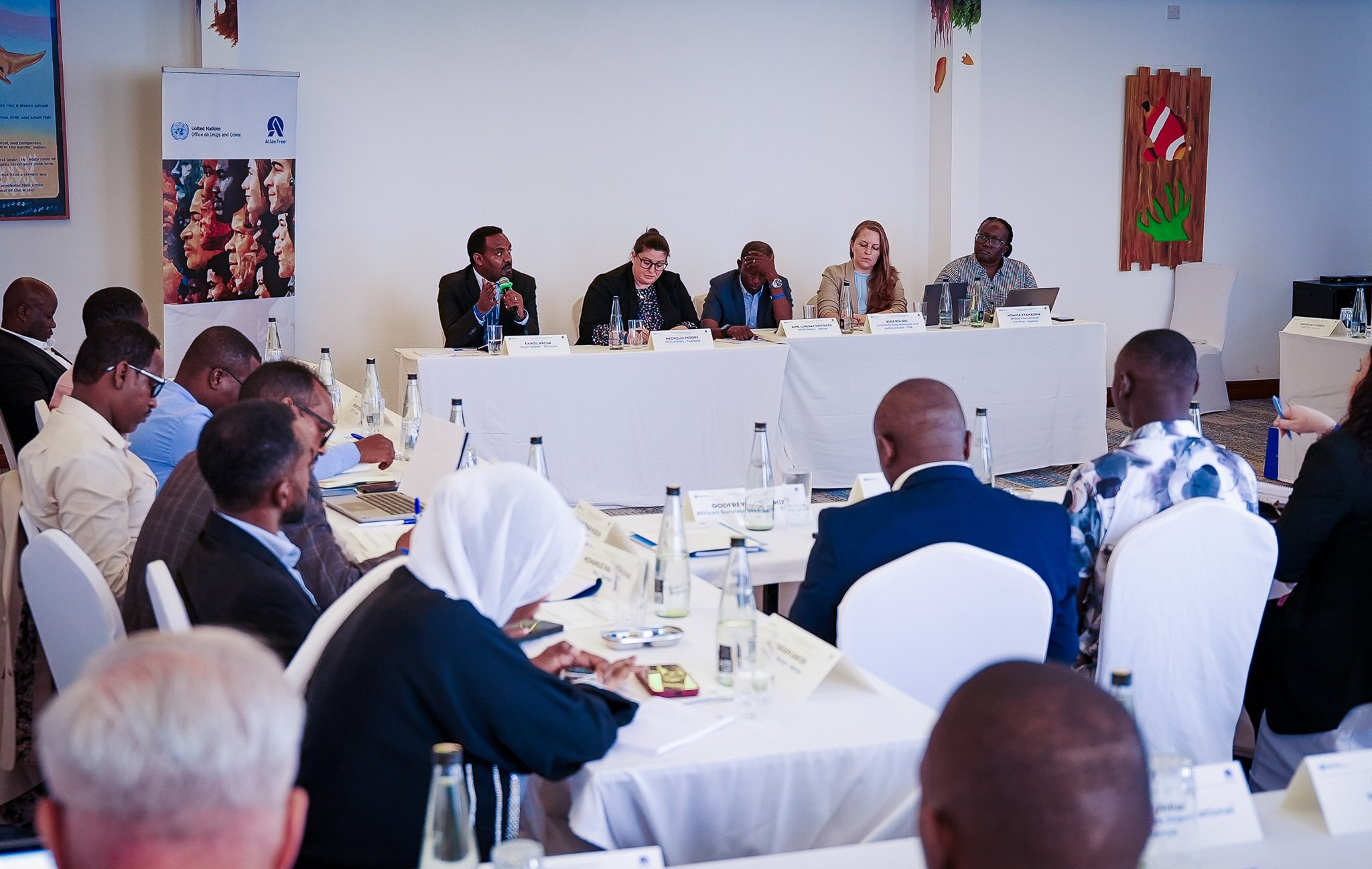
Scam centers were not the sole topic of this international gathering. The leaders also addressed the plight of those sold for sex and forced to work as nannies and house cleaners. The East African government representatives and NGO leaders also discussed how to streamline the referral process so sex trafficking survivors can return home for the best possible care. Many trafficking victims, if they are fortunate enough to find freedom, have no way home and limited access to services. Cross-border coordination and international cooperation are essential. UNODC’s successful track record and Atlas Free’s expansive network of service providers create a powerful combination.
Kenya’s ambassador to Thailand, the Honorable Lindsay Kiptiness, actively participated in the three-day meeting and thanked Atlas Free for its leadership in convening the event. He concluded with this hopeful admonition, “with the right frameworks we can take advantage of the resources and deal this crime a blow.”
By John Richmond
Atlas Free’s Chief Impact Officer, Former U.S. Ambassador to Combat Trafficking

